
The Power of Mindfulness: Finding Greater Peace, Balance & Awareness in Everyday Life
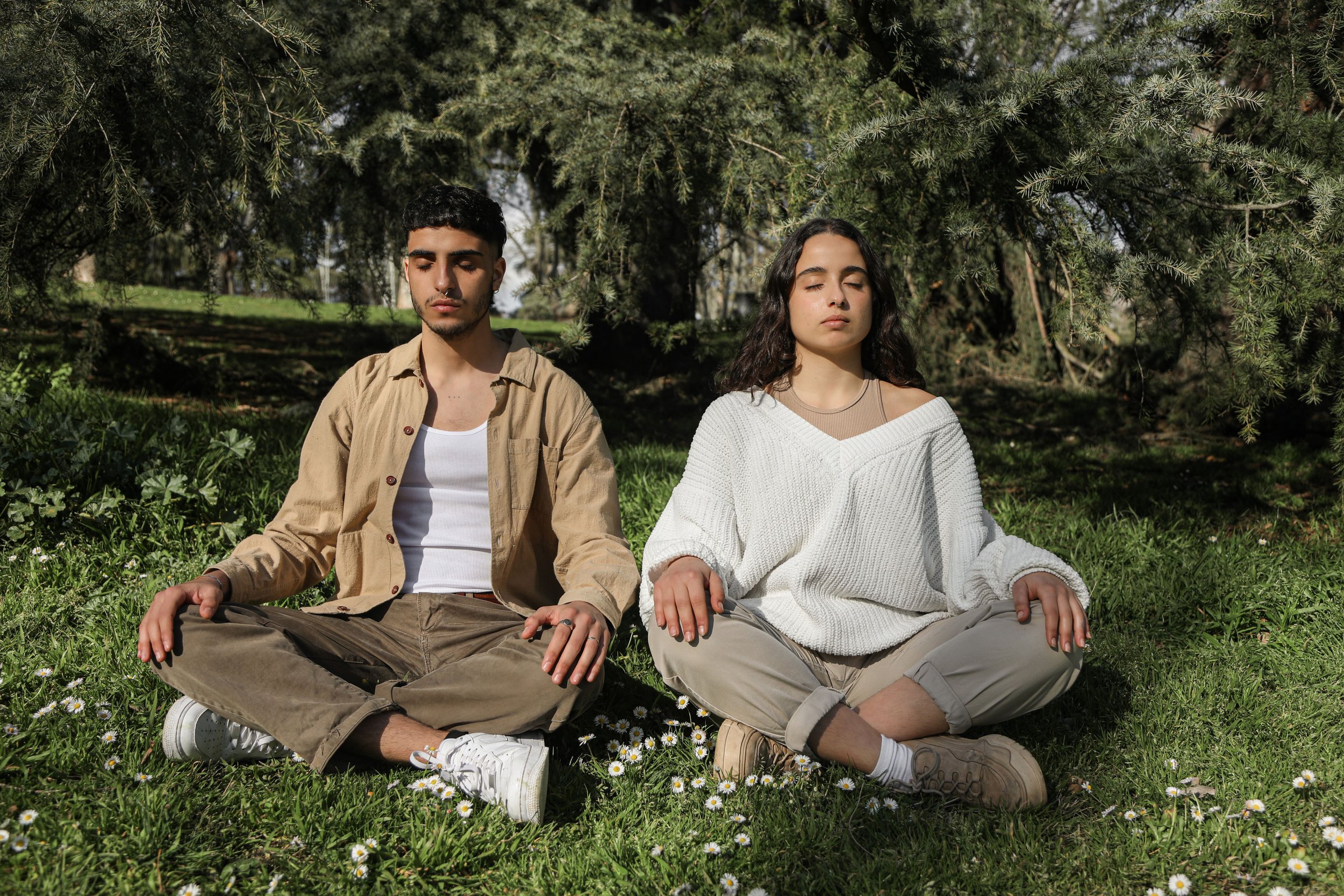
In a world filled with constant distractions and stress, mindfulness offers a simple way to slow down and reconnect with the present moment. By practicing mindfulness, we can become more aware of our thoughts, emotions, and bodies while creating greater peace and balance in everyday life.
Mindfulness isn't about clearing your mind or avoiding difficult emotions. It's about learning to be present, respond with intention, and build a deeper connection with yourself. From reducing stress to supporting emotional well-being, mindfulness can become a powerful part of a holistic approach to health.
What Is Mindfulness?
Mindfulness is the practice of bringing your attention to the present moment with openness and without judgment. Instead of getting caught up in the past or worrying about the future, mindfulness helps you become more aware of what is happening within and around you right now.
Mindfulness can be practiced through meditation, mindful breathing, eating, walking, or simply pausing to notice your thoughts, emotions, and surroundings.
At its core, mindfulness is about creating space to pause, notice, and choose rather than automatically react. With regular practice, it can become a simple yet meaningful tool for supporting mental, emotional, and overall well-being.
What Leading Wellness Teachers Are Saying
Mindfulness and present-moment awareness have become central themes in the work of several well-known voices in the wellness and personal-growth space.
Eckhart Tolle places Presence at the heart of his teachings. Through his work, including “The Power of Now”, he encourages people to step away from constant identification with their thoughts and become more fully present in the moment. His teachings emphasize awareness, stillness, and experiencing life as it unfolds.
Dr. Joe Dispenza incorporates meditation and present-moment awareness into his approach to personal transformation. His meditation teachings include practices designed to help people develop greater awareness and focus on what he describes as the present moment.
Deepak Chopra has also made meditation, mindfulness, consciousness, and mind-body well-being central themes throughout his work. His approach encourages cultivating greater awareness and using meditation as a way to become more connected to yourself and the present moment.
Although their approaches differ, a common theme runs through their teachings: when we become more aware of the present moment, we create an opportunity to experience life more consciously rather than simply moving through it on autopilot.
And these are just a few of the many teachers, researchers, and wellness leaders who have explored the power of mindfulness and present-moment awareness.
The Benefits of Mindfulness
Mindfulness can be a simple practice, but its effects can extend into many areas of your life. By becoming more present and aware, you may begin to notice changes in how you handle stress, process emotions, and connect with yourself and others.
Some benefits of practicing mindfulness include:
Reduced stress: Mindfulness can help you pause and respond to stressful situations more intentionally.
Greater emotional awareness: It can help you recognize your emotions without immediately reacting to them.
Improved focus: Practicing present-moment awareness can help reduce distractions and strengthen your ability to concentrate.
Better self-awareness: Mindfulness encourages you to notice your thoughts, habits, and patterns with greater curiosity.
Greater sense of calm: Taking intentional moments to slow down can create more space for peace and relaxation.
Deeper connection: Being fully present can help you feel more connected to yourself, your relationships, and the world around you.
Mindfulness isn't about changing everything at once. Sometimes, simply becoming more aware is the first step toward creating meaningful change.
Mindfulness at a Therapeutic Level
Beyond everyday wellness, mindfulness is also used within therapeutic approaches to support mental and emotional well-being. It can help individuals become more aware of their thoughts, emotions, physical sensations, and patterns of behavior without immediately judging or reacting to them.
Therapeutic approaches such as Mindfulness-Based Stress Reduction (MBSR) and Mindfulness-Based Cognitive Therapy (MBCT) incorporate mindfulness practices to help people develop greater awareness and healthier responses to challenging experiences.
Instead of trying to suppress difficult thoughts or emotions, mindfulness encourages us to notice them with curiosity and compassion. This can create space between what we experience and how we choose to respond.
While mindfulness is not a replacement for professional mental health care, it can be a valuable complementary practice when incorporated appropriately into a person's overall wellness or therapeutic journey.
How to Practice Mindfulness in Everyday Life
Mindfulness doesn't have to require a long meditation session or a completely quiet environment. It can be practiced through small, intentional moments throughout your day.
Try starting with:
Mindful breathing: Take a few slow breaths and notice how your body feels as you inhale and exhale.
Mindful eating: Slow down and pay attention to the taste, texture, and experience of your food.
Body awareness: Notice areas of tension, comfort, or discomfort without judgment.
Mindful walking: Pay attention to your surroundings, your footsteps, and the sensations in your body.
Intentional pauses: Before responding to a stressful situation, pause and give yourself a moment to notice what you're feeling.
The goal isn't to be mindful every second of the day. It's about creating more moments of awareness and learning to return to the present whenever your attention wanders.
Finding Your Way Back to the Present
Mindfulness doesn't require perfection. It simply asks us to pause, breathe, and become present with where we are.
In a world that constantly pulls our attention in different directions, choosing to slow down can be a powerful act of self-care. Even a few mindful moments each day can help us become more aware of what we need, how we feel, and how we want to move through life.
Sometimes, finding greater peace and balance doesn't begin with changing everything around us. It begins with simply being present for the life we're already living.
Frequently Asked Questions (FAQs)
-
Mindfulness is the practice of focusing your attention on the present moment with openness and without judgment. It can help increase awareness of your thoughts, emotions, and physical sensations.
-
Regular mindfulness practice may support stress management, emotional awareness, focus, relaxation, and overall well-being. It can also help you become more intentional in how you respond to everyday experiences.
-
Mindfulness can be a helpful tool for managing stress and may support emotional well-being. By learning to notice thoughts and emotions without immediately reacting to them, you can create more space to respond calmly and intentionally.
-
No. Mindfulness can be practiced in many ways, including mindful breathing, eating, walking, journaling, or simply paying attention to your thoughts and surroundings throughout the day.
-
There is no one-size-fits-all approach. Even a few intentional minutes each day can be a meaningful place to start. Consistency is often more important than practicing for a long period of time.
