
The Power of Gratitude: How Practicing Gratitude Can Transform Your Mind, Body & Life
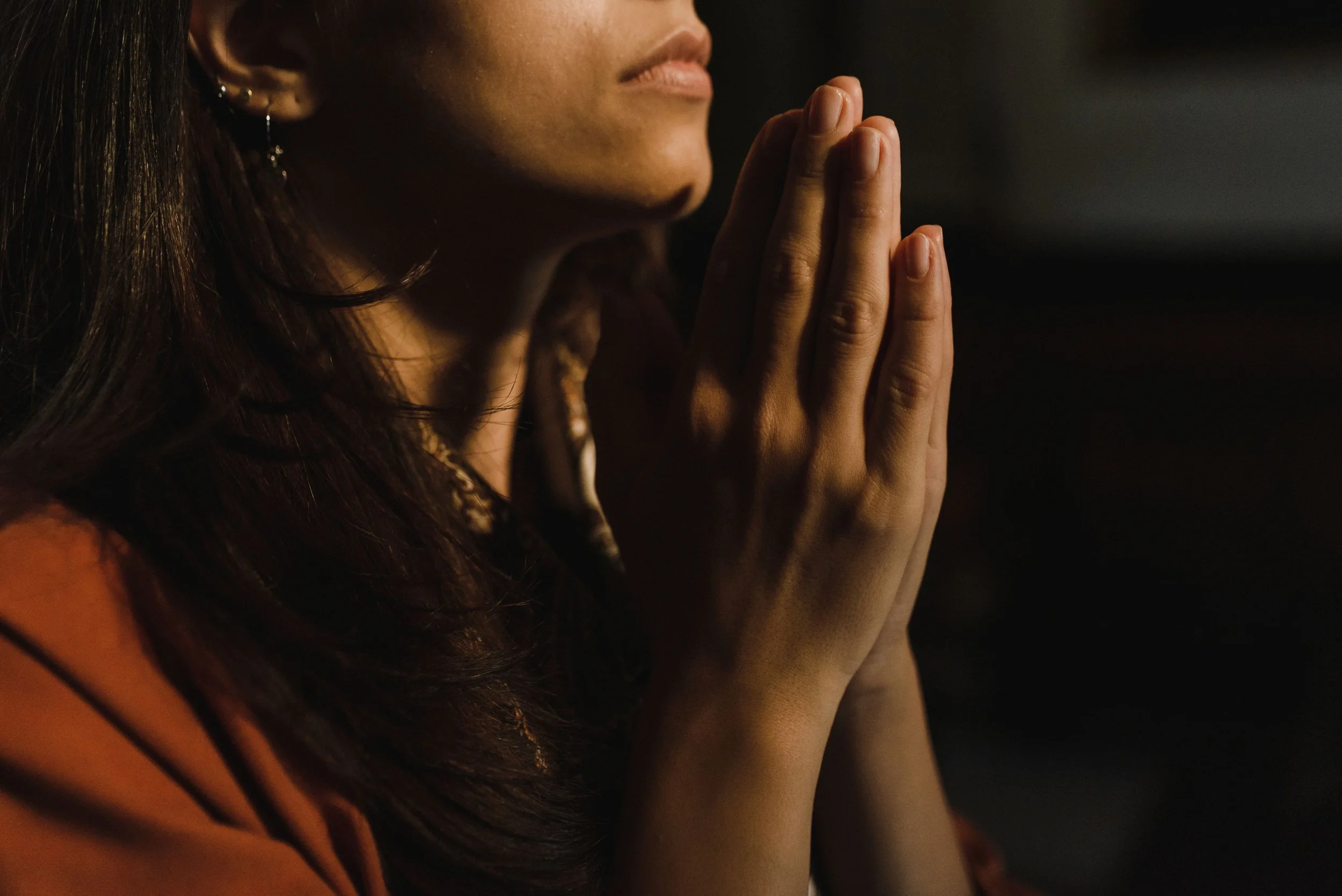
Gratitude is more than simply being thankful for the good things in life. It's a mindset that shifts our attention toward appreciation, presence, and abundance—even when life doesn't go exactly as planned.
In a world that often encourages us to focus on what we lack, what we need next, or what could be better, gratitude invites us to pause and recognize what is already here.
Practicing gratitude can become a simple yet powerful way to change how we experience our everyday lives. From appreciating a beautiful morning to expressing gratitude for the people we love, these small moments of awareness can create a deeper sense of contentment and connection.
What Is Gratitude?
Gratitude is the practice of intentionally noticing and appreciating the good that already exists in our lives. It can be something significant, like a loving relationship or a major life milestone, but it can also be something as simple as a warm cup of tea, a quiet morning, a beautiful sunset, or having another day to experience life.
At its core, gratitude shifts our attention from what is missing to what is present. This doesn't mean ignoring the things we wish were different. Instead, it allows us to acknowledge both the challenges we're experiencing and the blessings that exist alongside them.
Gratitude Is a Mindset, Not Just a Feeling
We often think of gratitude as something we naturally feel when something good happens. But gratitude can also become an intentional practice.
The more we consciously look for things to appreciate, the easier it can become to recognize them in our everyday lives. Over time, this can influence the way we perceive our circumstances and respond to the world around us.
Gratitude Doesn't Mean Everything Is Perfect
Practicing gratitude doesn't mean forcing yourself to be positive when you're hurting or pretending that difficult experiences don't affect you.
You can be grateful for your life while still having a hard day. You can appreciate what you have while still wanting something to change. Gratitude and difficult emotions can exist at the same time.
True gratitude isn't about convincing yourself that everything is good. It's about becoming aware that even within imperfect seasons, there can still be moments, people, experiences, and lessons worth appreciating.
The Shift From Scarcity to Abundance
One of the most powerful aspects of gratitude is the way it can shift our perspective.
When we're constantly focused on what we don't have, it's easy to feel like we're never doing or having enough. Gratitude brings our attention back to what is already here.
And sometimes, abundance isn't about having more. It's about recognizing that there is already more to appreciate than we realized.
The Benefits of Practicing Gratitude
Gratitude may seem like a simple practice, but making space for appreciation in your everyday life can have a meaningful impact on your overall well-being. When gratitude becomes part of the way you approach life, it can influence your thoughts, emotions, relationships, and even the way you care for yourself.
Mental & Emotional Benefits of Gratitude
Practicing gratitude can help redirect your attention away from constant worry, comparison, and negativity and toward the things that bring meaning and joy into your life.
Rather than constantly asking, “What am I missing?” gratitude encourages us to notice, “What is already here?”
This shift in perspective may help support:
A more positive and grounded mindset
Greater emotional resilience
Increased feelings of contentment
Less focus on comparison and lack
A greater awareness of positive experiences
Gratitude isn't about eliminating negative thoughts or emotions. Instead, it gives us another perspective to hold alongside them.
Gratitude & Stress
Our minds can easily become consumed by everything that needs to be done, everything that could go wrong, or everything we wish were different. Practicing gratitude creates an opportunity to pause and reconnect with the present moment.
Taking a few minutes to acknowledge what you're grateful for can become a grounding ritual—one that helps bring your attention out of constant mental busyness and back into the here and now.
Gratitude & Relationships
Gratitude can also deepen our relationships. When we openly appreciate the people in our lives, we're not only acknowledging what they mean to us—we're strengthening our sense of connection with them.
A simple “I'm grateful for you” can sometimes mean more than we realize.
Whether it's appreciating a partner, family member, friend, mentor, or even someone who helped you during a difficult season, expressing gratitude can create more intentional and meaningful relationships.
Gratitude & Overall Well-Being
Gratitude can also encourage us to become more aware of the things that support our well-being. When we appreciate our bodies, our health, our homes, our relationships, and the life we're creating, we may become more intentional about caring for them.
The goal isn't to use gratitude as a quick fix or to expect it to solve every problem. Think of it as one small practice that can help cultivate greater awareness, presence, and appreciation in your everyday life.
Remember: Changing the way we look at our lives can change the way we experience them.
How Gratitude Can Change the Way You Live
When you start noticing what brings you joy, peace, and meaning, you may begin to:
Be more present: Instead of constantly thinking about the past or worrying about the future, you become more aware of the moment you're in.
Appreciate the little things: A warm cup of coffee, a beautiful sunset, a good conversation, or a quiet morning can become moments you genuinely notice and enjoy.
Spend more time with what matters: Gratitude can help you recognize the people, experiences, and activities that bring meaning to your life.
Become more intentional: When you know what you're grateful for, it becomes easier to make choices that support the life you actually want to create.
Appreciate how far you've come: It's easy to focus on where you're going and forget to acknowledge how much you've already grown.
You don't have to have everything figured out to appreciate where you are.
You can want more for your life while still being grateful for the life you have today.
6 Simple Ways to Practice Gratitude Every Day
Gratitude becomes more powerful when it becomes part of your daily life. You don't need a complicated routine or hours of journaling. A few intentional moments each day can be enough to begin.
Here are some simple ways to practice gratitude:
Start your morning with gratitude: Before reaching for your phone, think of three things you're grateful for.
Keep a gratitude journal: Write down a few things you appreciate each day. They don't have to be big or meaningful to anyone else—what matters is that they mean something to you.
Express your appreciation: Tell someone you love them, thank someone for something they did, or simply let someone know you're grateful to have them in your life.
Notice the little things: Pay attention to the small moments that make your day better—a beautiful sky, your favorite meal, music you love, or time spent with someone special.
Practice gratitude before bed: End your day by reflecting on something that made you smile, brought you peace, or made you feel supported.
Take a gratitude pause: When you feel overwhelmed, stop for a moment, take a few slow breaths, and notice something good that is still present.
The goal isn't to force yourself to feel grateful all the time. It's simply to create more opportunities to notice and appreciate the good that already exists in your life.
Practicing Gratitude During Difficult Seasons
Gratitude can feel easy when life is going well. But what happens when you're going through something difficult?
You don't have to ignore your pain or force yourself to find a positive side to everything. Gratitude and difficult emotions can exist at the same time.
You can be hurting and still be grateful.
You can feel lost and still appreciate the people who support you.
You can have a difficult day and still find one small moment of peace.
When life feels overwhelming, don't pressure yourself to find something big to be grateful for.
So start small:
A person who makes you feel supported
A safe place to rest
A meal that nourishes you
A moment of laughter
Time spent outside
Your favorite song
Simply having another day to begin again
Sometimes, gratitude during difficult seasons isn't about finding something to celebrate. It's about noticing that there is still something worth holding onto.
And if you can't find gratitude in a particular moment, that's okay too. You don't have to turn every difficult experience into a lesson or a positive thought.
Give yourself permission to feel what you feel. Then, when you're ready, look for one small thing that brings you comfort.
Gratitude doesn't require a perfect life. It simply asks us to slow down and notice what is already here.
There will always be something we want, something we're working toward, or something we wish were different. But that doesn't mean we have to overlook the beauty that exists in the present moment.
A grateful life isn't a life without challenges. It's a life where we choose to notice the love, lessons, experiences, and little moments that make it meaningful.
You don't need to change your entire life to experience more gratitude. Start with one moment. One breath. One thing you appreciate.
Because sometimes, the greatest shift isn't getting more—it's realizing how much you already have.
Frequently Asked Questions (FAQs)
-
Practicing gratitude can support emotional well-being, encourage a more positive mindset, strengthen relationships, and help you become more aware of the good things already present in your life.
-
You can keep a gratitude journal, reflect on what you're thankful for in the morning or before bed, express appreciation to someone, or simply pause during the day to notice something you enjoy.
-
Gratitude can be a helpful tool for managing everyday stress by shifting your attention toward the present moment and the things you can appreciate. Rather than it all being doom and gloom.
-
No. Gratitude doesn't mean ignoring difficult emotions or pretending everything is okay. You can experience sadness, frustration, or stress while still finding something to appreciate.
-
Start small. Think about something simple, such as a warm meal, a safe place to rest, someone you love, time in nature, or simply having another day to experience life!
Enjoyed this post?
Join The Divine Collective🌺 — our weekly space for holistic wellness, mind-body balance, and nervous system support — delivered straight to your inbox!
