
Top 10 Foods for Nervous System Balance & Stress Support
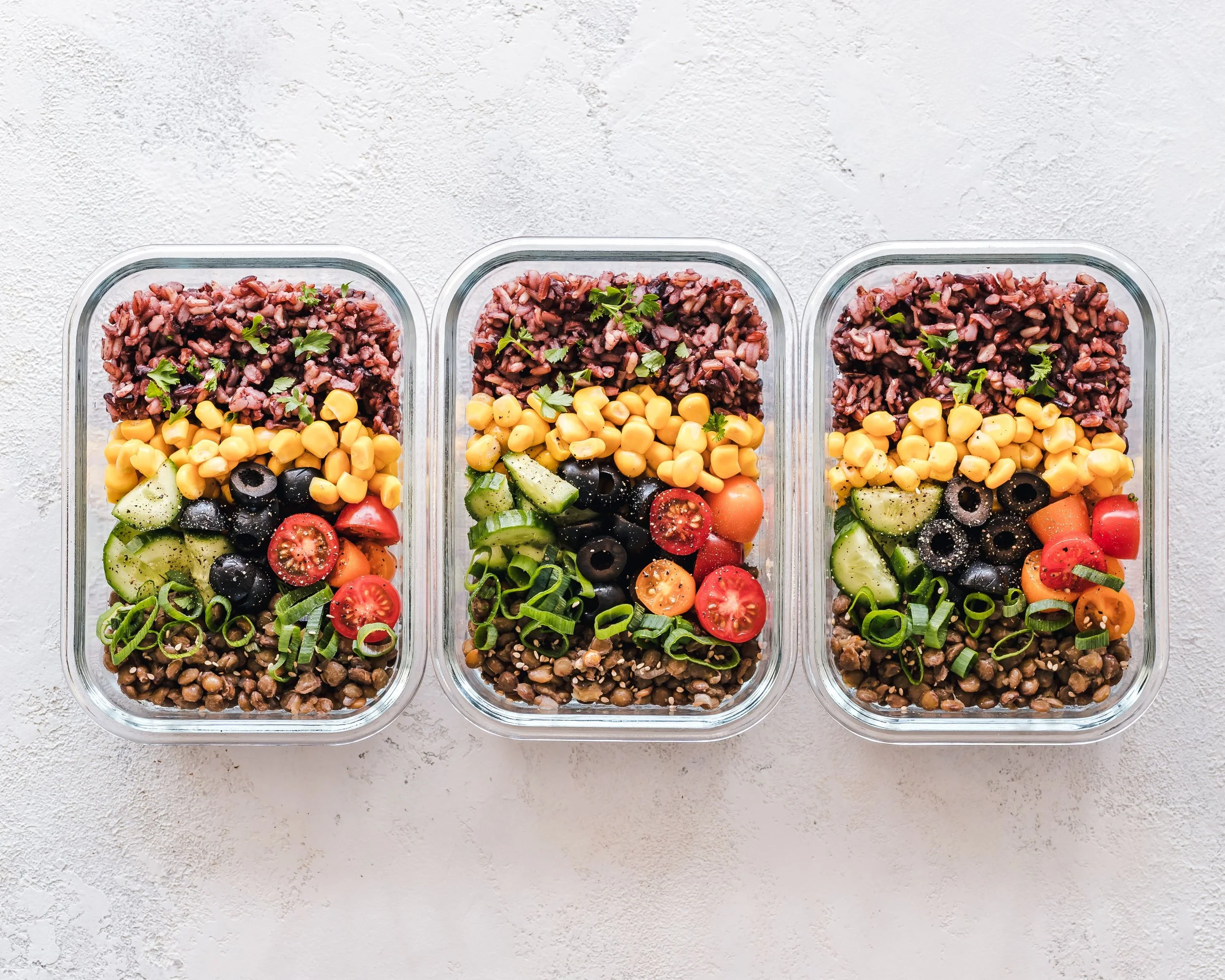
When life feels busy, overwhelming, or stressful, it’s easy to focus on what’s happening in your mind while overlooking one of the most important ways you can support your nervous system: nutrition.
The foods you eat provide the building blocks your body needs to produce neurotransmitters, maintain steady energy, regulate stress responses, and support overall brain and nervous system function. While no single food can “fix” a dysregulated nervous system, consistently nourishing your body can be a powerful part of creating greater balance and resilience.
In this article, we’ll explore 10 nourishing foods that can support nervous system health, promote steadier energy, and help your body better adapt to everyday stress.
How Nutrition Supports the Nervous System
Your nervous system requires a steady supply of nutrients to function properly. The foods you eat are crucial for nerve signaling, energy production, and healthy brain function.
Nutrition can also influence blood sugar regulation, inflammation, gut health, and the body's stress response. When meals are consistently balanced and nutrient-dense, they can help provide more stable energy and support your body's ability to adapt to everyday stress.
Your gut and nervous system are closely connected through the gut-brain axis, a two-way communication system between the digestive system and brain. The health of your gut microbiome can influence immune activity, inflammation, neurotransmitter signaling, and how your body responds to stress. This is why supporting digestion and nourishing a diverse, healthy gut microbiome can be an important part of supporting overall nervous system health.
This doesn't mean you need a perfect diet. Instead, think of nutrition as one piece of a bigger picture that includes sleep, movement, stress management, connection, and nervous system regulation.
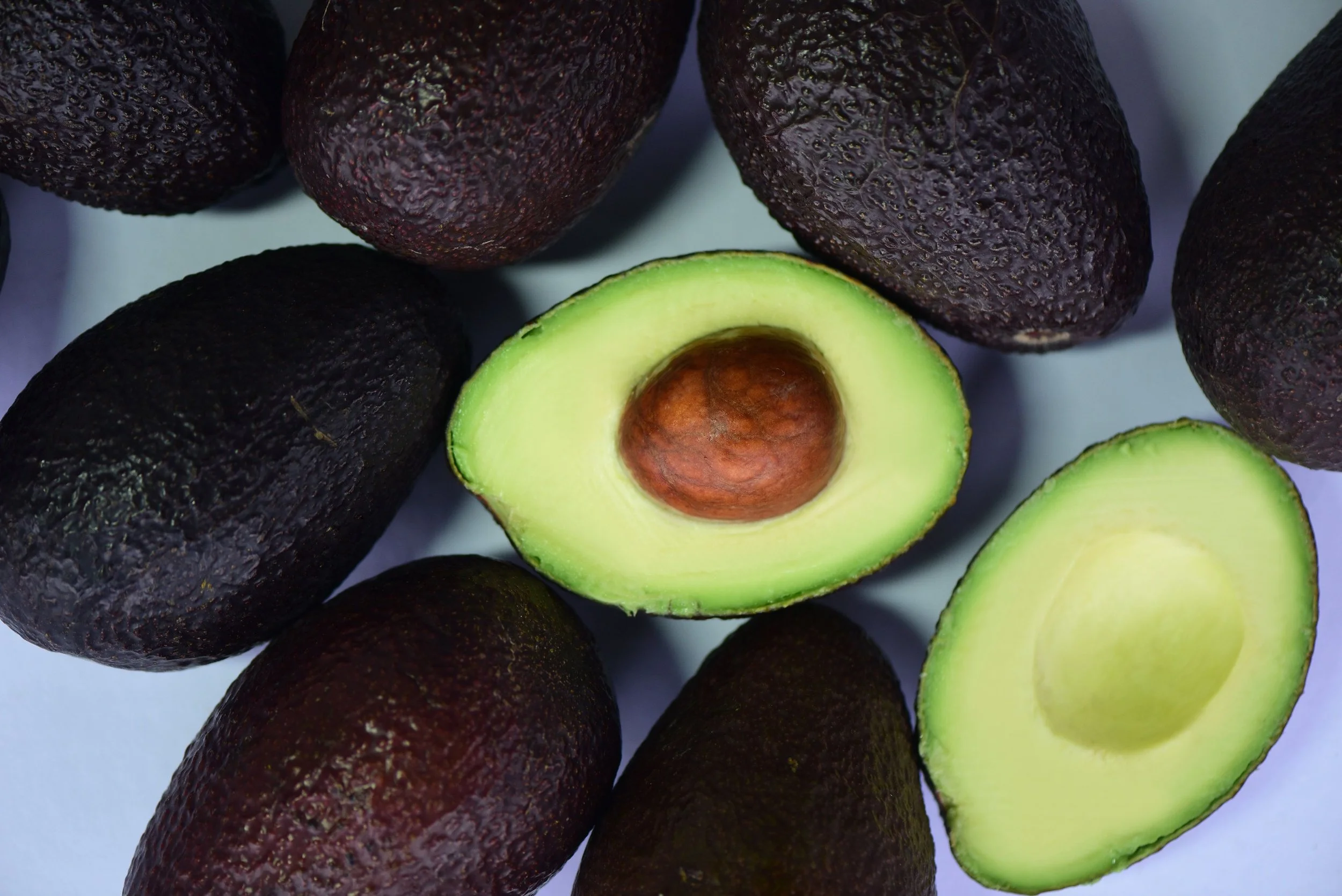
1. Avocados
Avocados are rich in healthy fats, magnesium, potassium, and B vitamins—nutrients that play important roles in nervous system function. Their combination of healthy fats and fiber can also help support steadier blood sugar, which may help prevent the energy crashes that can leave you feeling more stressed or depleted.
Try adding avocado to eggs, salads, grain bowls, or whole-grain toast for an easy, nourishing addition to your day.
Meal Idea:
Avocado toast on sourdough bread topped with an over-easy egg, finished with a sprinkle of salt, pepper, and cilantro.
2. Fatty Fish
Fatty fish such as salmon, sardines, mackerel, and anchovies are rich in omega-3 fatty acids, particularly EPA and DHA. These essential fats play an important role in brain health and support healthy communication between cells.
Omega-3s are also involved in the body’s inflammatory response, making fatty fish a valuable addition to a nourishing diet focused on overall nervous system health.
Aim to include low-mercury fatty fish a few times a week, when possible. Try salmon with roasted vegetables, sardines on avocado toast, or anchovies added to salads and homemade dressings.

Meal Idea:
Wild-caught salmon with quinoa, roasted vegetables, avocado, and a drizzle of extra-virgin olive oil.
3. Leafy Greens
Spinach, kale, arugula, Swiss chard, and other leafy greens provide magnesium, folate, vitamin C, and antioxidants that support brain and nervous system function. Magnesium in particular plays a role in nerve signaling and muscle function.
Add leafy greens to soups, salads, omelets, or sautéed vegetable dishes.

Meal Idea:
Sautéed spinach with grilled steak or chicken, and roasted sweet potatoes.
4. Berries
Blueberries, strawberries, raspberries, and blackberries are rich in antioxidants and polyphenols that help protect cells from oxidative stress. They also provide fiber and vitamin C, making them a nutrient-dense addition to a nervous-system-supportive diet.
Enjoy berries with plain yogurt, chia pudding, oatmeal, or on their own as a snack.

Snack Idea:
Plain Greek yogurt topped with blueberries, strawberries, and chia seeds.
5. Eggs
Eggs provide protein, choline, B vitamins, and other nutrients that support brain health and neurotransmitter production. Choline is particularly important for producing acetylcholine, a neurotransmitter involved in memory, learning, and nervous system communication.
Try starting your morning with eggs alongside avocado and vegetables for a balanced meal.

Meal Idea:
Fluffy scrambled eggs with sautéed mushrooms and onions, served with roasted potatoes and fresh fruit.
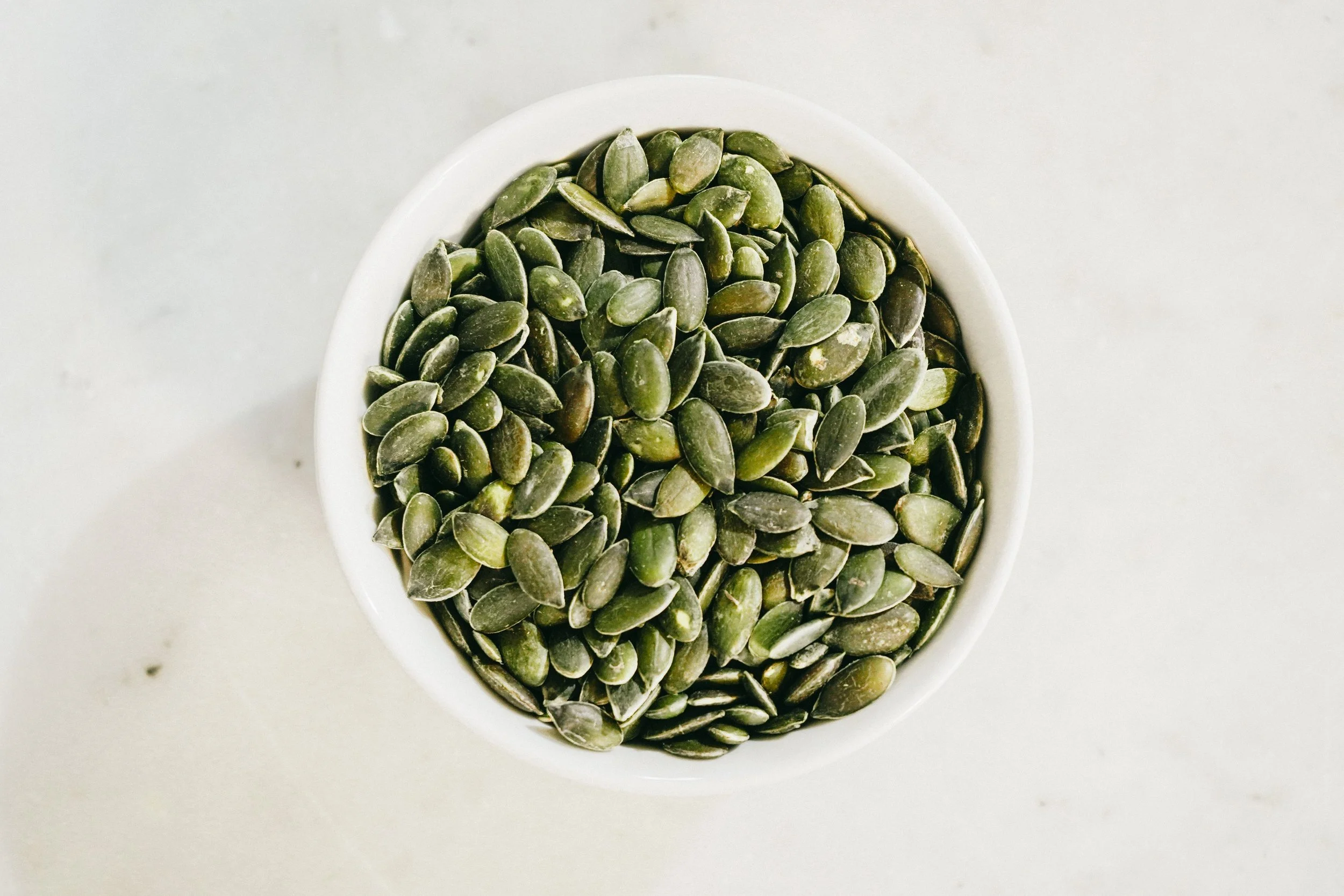
6. Pumpkin Seeds
Pumpkin seeds are a simple source of magnesium, zinc, healthy fats, and protein. Magnesium supports normal nerve and muscle function, while zinc contributes to healthy immune and neurological function.
Sprinkle pumpkin seeds over salads, soups, oatmeal, or yogurt, or enjoy a small handful as a snack.
Snack Idea:
A simple homemade trail mix with pumpkin seeds, walnuts, unsweetened coconut flakes, and a few pieces of dark chocolate.
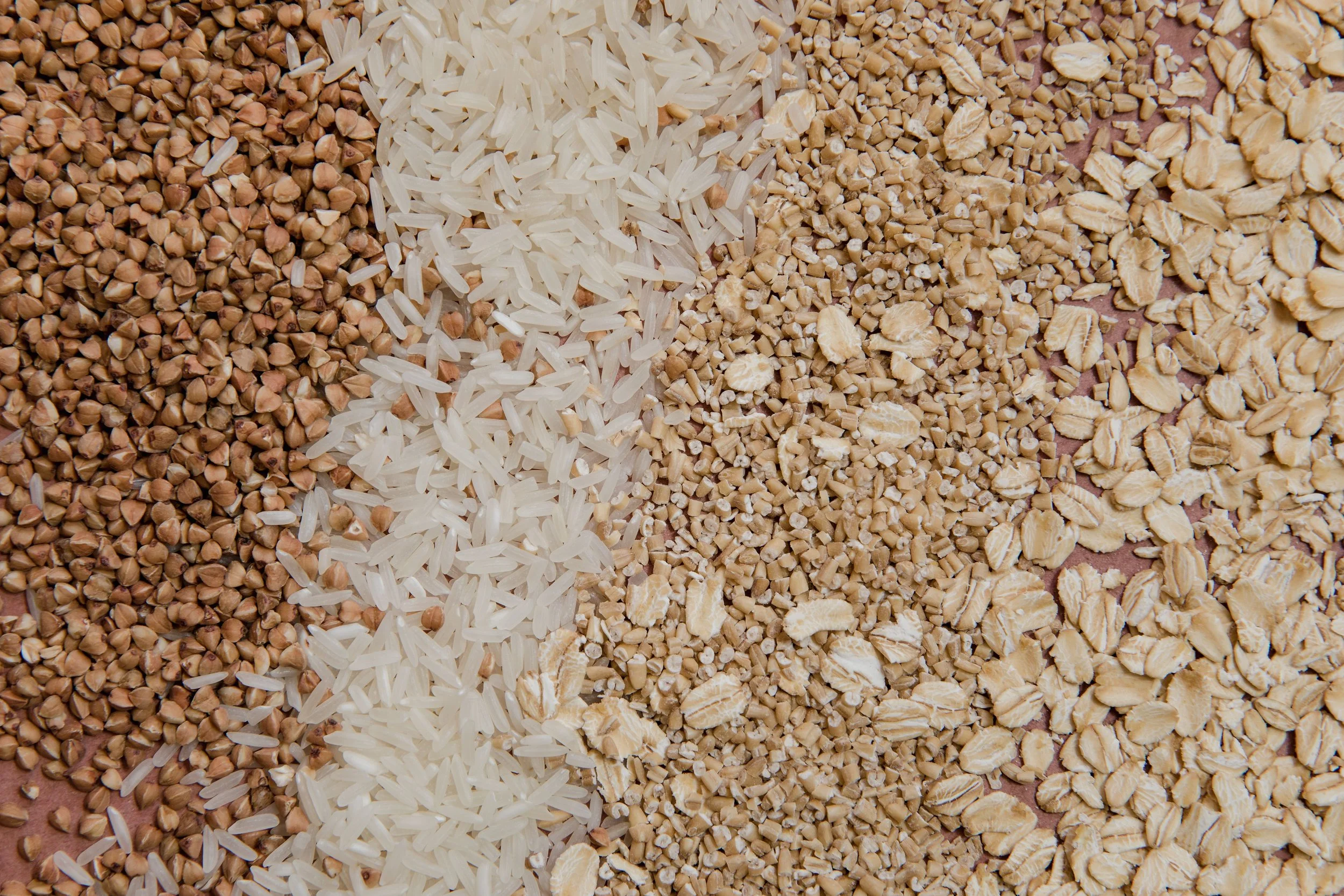
7. Oats & Other Whole Grains
Whole grains such as oats, quinoa, brown rice, and buckwheat provide complex carbohydrates, fiber, B vitamins, and minerals. Choose whole, minimally processed grains rather than refined or fortified grain products whenever possible, so you receive nutrients in their natural food matrix. Pairing carbohydrates with protein or healthy fats can help create a more balanced meal and support steadier energy throughout the day.
Try plain oatmeal with berries and seeds, or build a nourishing bowl with whole quinoa, vegetables, and your favorite protein.
Meal Idea:
Rolled oats cooked with ceylon cinnamon and topped with fresh blueberries, banana, pumpkin seeds, and walnuts.
8. Bananas
Bananas provide vitamin B6, potassium, carbohydrates, and fiber. Vitamin B6 helps the body produce neurotransmitters, while potassium is important for normal nerve signaling.
Add a banana to a smoothie or enjoy it alongside a protein-rich breakfast.

Snack Idea:
Plain greek yogurt with sliced banana drizzled with raw unfiltered local honey and sprinkled with ceylon cinnamon.
9. Dark Chocolate
Dark chocolate with a high cocoa content contains magnesium and flavonoids, plant compounds with antioxidant properties. Choosing minimally processed dark chocolate with a higher cocoa percentage can make it a more nutrient-dense treat.
Enjoy a small piece after a meal or pair it with berries and nuts for a simple snack.

Snack Idea:
Enjoy a few squares of 70%+ dark chocolate on their own, add it to a homemade smoothie or shake, or use it to make simple homemade cookies with wholesome ingredients.
10. Fermented Foods
Foods such as plain yogurt, kefir, sauerkraut, kimchi, and other fermented foods can provide beneficial bacteria that support gut health. Because the gut and brain communicate through the gut-brain axis, nourishing your digestive system is an important part of supporting overall nervous system health.
Choose fermented foods that you tolerate well and look for options with minimal added sugar and unnecessary ingredients.

Meal Idea:
A hearty beef stew made with tender beef and slow-cooked vegetables, served with a side of kimchi for a flavorful combination of comforting, nourishing, and fermented foods.
Foods & Habits That May Work Against Nervous System Balance
Supporting your nervous system isn't only about adding nourishing foods. It's also worth paying attention to habits that may leave your body feeling depleted or overstimulated.
For some people, these may include:
Frequently skipping meals
Consuming large amounts of caffeine, especially later in the day
Relying heavily on highly processed foods
Consuming excessive amounts of added sugar
Drinking alcohol regularly
Not eating enough protein, healthy fats, or fiber
Going long periods without eating
You don't have to eliminate everything on this list. The goal is to become more aware of how your food and lifestyle choices make you feel and to create patterns that support your individual needs.
Rather than focusing on restriction, focus on what you can add—more whole foods, more variety, more nourishment, and more consistency.
Nourishment Is About More Than Individual Foods
While individual foods can provide valuable nutrients, nervous system support isn't about finding one “perfect” food. Your overall eating pattern matters most.
Aim for balanced meals that combine quality protein, healthy fats, fiber-rich carbohydrates, colorful vegetables and fruits, and plenty of nutrient-dense whole foods. Eating consistently and staying adequately hydrated can also help support steady energy and your body's ability to adapt to everyday stress.
Your nervous system doesn't need perfection—it needs consistent nourishment, rest, safety, and support.
Frequently Asked Questions (FAQs)
-
Nutrient-dense whole foods such as fatty fish, leafy greens, eggs, berries, avocados, pumpkin seeds, whole rolled oats, and fermented foods can provide nutrients that support healthy brain and nervous system function.
-
Yes. A balanced, nutrient-rich diet can provide the vitamins, minerals, healthy fats, protein, and fiber your body needs to support normal nervous system function, steady energy, and the body's response to everyday stress.
-
Magnesium, omega-3 fatty acids, B vitamins, choline, zinc, potassium, and antioxidants are among the nutrients that play important roles in brain and nervous system function.
-
The gut and brain communicate through the gut-brain axis, a two-way communication system involving the digestive and nervous systems. Supporting a healthy gut through a diverse, fiber-rich diet and well-tolerated fermented foods can be part of an overall approach to nervous system health.
-
Focus on balanced meals that combine quality protein, healthy fats, fiber-rich carbohydrates, and colorful fruits and vegetables. Eating consistently and choosing minimally processed, nutrient-dense foods can help support steady energy and overall nervous system resilience.
Enjoyed this post?
Join The Divine Collective🌺 — our weekly space for holistic wellness, mind-body balance, and nervous system support — delivered straight to your inbox!
