
The Truth About Fragrance in Your Everyday Products
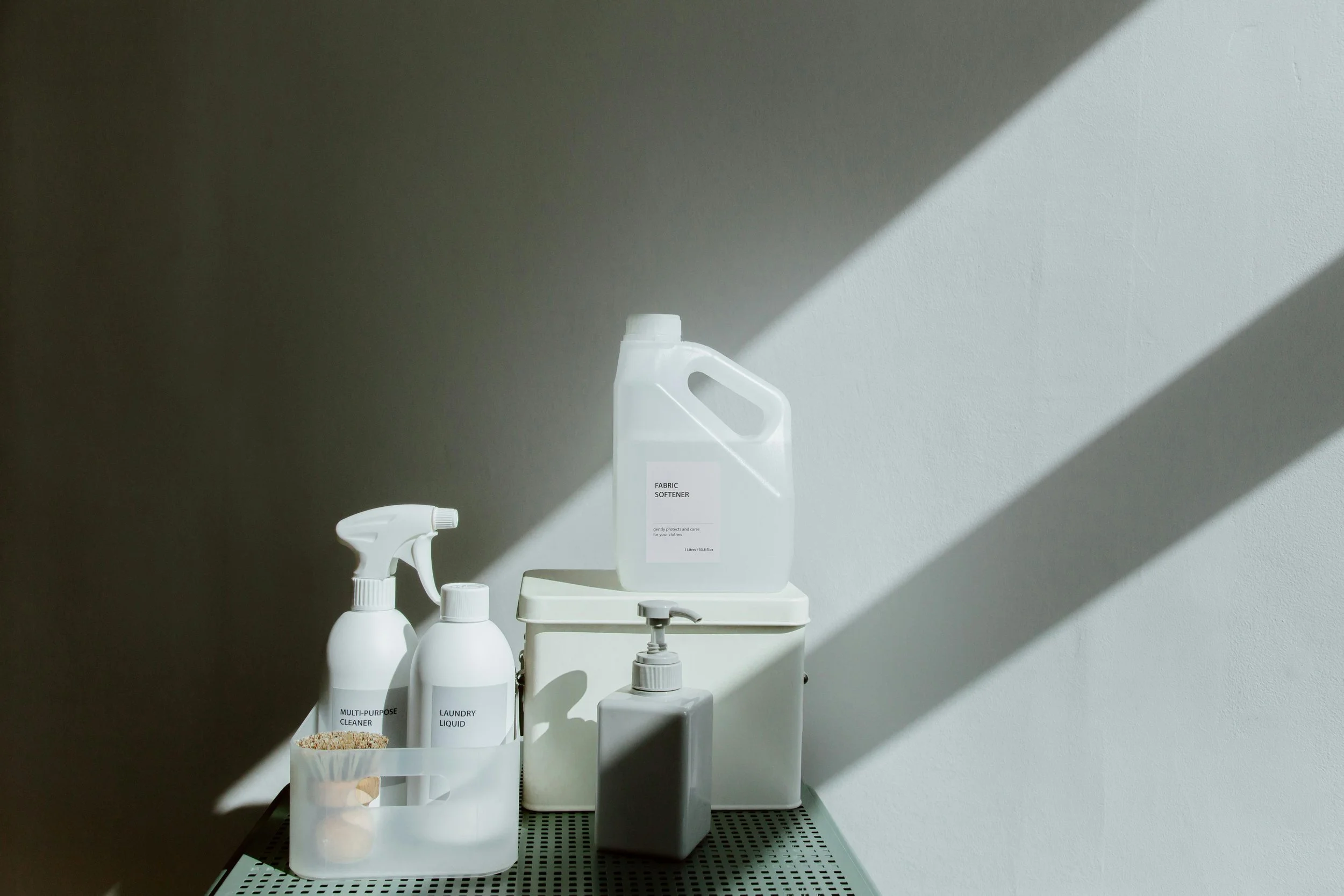
We’ve been taught that “clean” has a smell.
That fresh laundry should smell like spring air. That a sparkling kitchen should carry a citrus scent. That every season calls for a new candle that makes your home feel cozy, inviting, and put together.
But what if that “comforting scent” isn’t as harmless as we think?
What if the very products we use daily — dish soap, laundry detergent, cleaning sprays, perfumes, air fresheners, candles, and more — are quietly interfering with our hormones, immune system, and long-term health? The truth? Modern living has normalized constant chemical exposure. We spray it on our counters. We wash it into our clothes. We breathe it into our lungs. And most of us have never been taught to question it!
Meanwhile, hormone imbalances, fertility struggles, respiratory issues, autoimmune conditions, and cancers are skyrocketing. There isn’t one single cause — but we cannot ignore the cumulative chemical load our bodies are carrying every single day. When you understand what’s hiding in your everyday products, you can start making small, intentional shifts that protect your hormones, support your nervous system, and reduce the burden on your body.
What’s Actually In These Products?
Most conventional household products don’t look dangerous. They’re marketed as “fresh,” “pure,” “clean,” or even “green.” The packaging is calming. The scents are comforting. The branding feels safe. But when you flip the bottle over and read the ingredient list, things get a little more complicated.
Fragrance or “Parfum”
Sounds harmless, right? Legally, companies are allowed to use this one word to hide a mixture of dozens (sometimes even hundreds) of chemical compounds. These formulas are protected as “trade secrets,” meaning full transparency isn’t required.
Many fragrance blends can contain:
Phthalates - Commonly used to help scents last longer (the longer it lasts, the more toxic the product is)
Research has linked certain phthalates to:
Hormone disruption
Reduced fertility
Developmental concerns
Altered testosterone levels
They’re known endocrine disruptors, meaning they can interfere with how your hormones communicate in the body.
Parabens - Preservatives used to prevent mold and bacterial growth in many cleaning and personal care products
The concern? Parabens can mimic estrogen in the body. Even small hormonal shifts over time can contribute to imbalance, especially when exposure is daily and cumulative.
Synthetic musks - Man-made aroma compounds designed to replicate the scent of natural animal musk — which can accumulate in body tissues
Health risks may include:
Endocrine disruption
Organ system toxicity
Reproductive & developmental harm
Allergic Reactions
Respiratory Issues
Volatile Organic Compounds (VOCs) - chemicals that evaporate into the air and are inhaled
They’re commonly released from:
Air fresheners
Cleaning sprays
Scented candles
Laundry products
When inhaled, VOCs can irritate the respiratory system and contribute to headaches, dizziness, and airway inflammation. Long-term exposure has also been studied in connection with more serious health concerns.
When you light a scented candle, spray a cleaner, or wear freshly washed clothes, you’re not just smelling something pleasant — you’re inhaling airborne chemicals that enter the bloodstream through your lungs!
The Bigger Issue: Cumulative Exposure
It’s not one ingredient or one product. It’s the combination of everything you use on a day to day basis. You wash your clothes in fragranced detergent. Clean your counters with scented spray. Light a candle at night. Sleep on sheets infused with synthetic fragrance.
Your body doesn’t process these exposures in isolation. It carries the total toxic load. And when that load becomes chronic, your hormones, immune system, and detox pathways feel the impact:
Your liver must detoxify it.
Your immune system must evaluate it.
Your endocrine system must function in its presence.
Each body has a threshold. Some people feel symptoms quickly — headaches, asthma, skin reactions. Others may not notice anything for years, until the system becomes overwhelmed and imbalance begins to surface.
The goal isn’t perfection. The goal is reducing unnecessary load so the body can do what it was designed to do: regulate, repair, and protect.
How These Ingredients Disrupt Hormones, Immunity, and the Nervous System
Understanding what’s inside these products is one thing. Understanding what they do inside the body is another.
Your body operates through intricate communication systems. Hormones send signals that regulate everything from metabolism and mood to fertility and sleep. The immune system constantly evaluates what belongs and what doesn’t. The nervous system interprets safety, stress, and threat. These systems are deeply interconnected… so when one is disrupted, the others go out of whack.
Your Hormones Weren’t Designed for This
Endocrine-disrupting chemicals, found in common fragranced household products, can interfere with hormone signaling. Some mimic estrogen. Others block receptors or alter the way hormones are produced and metabolized.
Hormones function in extremely small, precise amounts. They don’t need dramatic interference to shift out of balance. Repeated, low-level exposure over time can be enough to contribute to symptoms like irregular cycles, painful periods, thyroid dysfunction, fertility challenges, mood instability, and metabolic changes.
It’s rarely about one product causing one disease. It’s about years of subtle interference layered onto an already stressed system.
What Constant Exposure Does to the Immune System
Your immune system is designed to respond to occasional threats — not a constant stream of synthetic chemical exposure.
When you inhale volatile compounds from cleaning sprays, air fresheners, or scented laundry, your immune system recognizes them as foreign. Over time, repeated exposure may contribute to low-grade, chronic inflammation.
Inflammation is not isolated. It affects tissues, hormone balance, gut integrity, and even brain function. This may help explain why we’re seeing increased rates of allergies, asthma, skin conditions, autoimmune disorders, and other inflammatory patterns.
The body tries to adapt… until it just can’t handle it anymore.
What You Breathe In Doesn’t Just Stay in the Air
One of the most overlooked realities is how quickly inhaled chemicals can enter circulation.
When fragrance chemicals and VOCs are breathed in, they bypass digestion and go straight through the lungs into the bloodstream. The lungs are highly vascular, which makes them efficient for oxygen exchange — but also for chemical absorption.
This is why strong scents can trigger immediate symptoms like headaches, dizziness, throat irritation, brain fog, or chest tightness. The response isn’t random. It’s biological. And when exposure is daily, even if symptoms aren’t dramatic, the burden accumulates.
Environmental Stress and Nervous System Dysregulation
Chronic chemical exposure doesn’t just impact hormones and immunity — it influences the nervous system as well.
Inflammation itself can dysregulate the nervous system, keeping the body in a subtle but persistent stress response. When the nervous system perceives ongoing threat, even at a low level, it shifts resources away from repair and long-term balance.
This can show up as:
Poor sleep
Heightened anxiety
Digestive issues
Increased stress sensitivity
Difficulty regulating hormones
If you’re doing all the “right” things — eating well, supporting your gut, managing stress — but still struggling with imbalance, your environment may be a missing piece of the puzzle.
How Marketing Normalized Constant Scent
For most of history, homes didn’t revolve around fragrance. Cleanliness was about function, not smell. Marketing changed that by teaching us that freshness has a scent — that laundry, cleaning products, and seasonal candles should always smell like something.
It’s branding, not biology. Neutral air is not dirty air. Unscented products do not mean poor quality. The association between scent and cleanliness is solely cultural. This matters because “fragrance” on labels can hide mixtures of chemicals that aren’t fully disclosed. Some compounds have been studied for potential hormonal or respiratory effects. And I’ve only mentioned a few!! That doesn’t mean every scented product is harmful, but consumers deserve transparency. This is why when I go shopping, I check the ingredients and if I don’t understand what they mean, I turn to apps like Yuka, Think Dirty, or even take a picture of the ingredient list and ask ChatGPT to give you an analysis. The information is in our hands! Its up to us to be open to this new information and access it!
Just because something is widely marketed does not guarantee it supports long-term health. Many habits are inherited — passed down from parents, friends, and cultural norms — without being questioned or examined. My honest opinion? Stop blindly trusting these companies that have our money in mind, not our health.
Awareness creates choice. You can enjoy comfort and ambiance while being intentional about the products you use. Fragrance-free and simpler-ingredient options exist. Small adjustments reduce unnecessary exposure without sacrificing lifestyle.
Practical Swaps That Make a Meaningful Difference
You don’t need to change everything at once. That’s unrealistic and — let’s be honest — expensive. Start small and work your way up from there! Small, intentional swaps reduce unnecessary exposure without disrupting your routine or hurting your pockets at once!
Fragrance-free products are ideal because they eliminate synthetic additives. Your laundry will still be clean, and your home will still feel comfortable — just without extra chemicals.
But if you’re like me and scent matters to you, choose products with fragrances derived from essential oils. These are plant-based scents sourced from ingredients you can actually find in nature — lavender, eucalyptus, citrus, peppermint — rather than synthetic formulas created in a lab. Look for labels that specify essential oils rather than vague “fragrance” listings.
Major retailers like Whole Foods, Sprouts, and even Target are actively stocking these alternatives. Health-supporting choices don’t require sacrificing comfort, they simply involve being mindful about what you bring into your home.
And this isn’t even half of it! In a future post, we’ll dive into PFAs, heavy metals, and other carcinogenic chemicals found in our everyday products to avoid and spread awareness. But for now, I wanted to focus on something most of us deem harmless: fragrance.
The purpose of this isn’t to tell you to live in a bubble or live in fear. But the harsh truth is that over 85% of conventional household products contain carcinogens and endocrine disrupters. We simply can’t ignore that. Because ignorance is bliss until life forces us to change our ways of living. We shouldn’t have to get to that point to make a change in our lives and the lives of others. We can start now with making conscious and informative decisions on what we allow on our body and in our space.
If you’d like ideas on where to start, I share the products I personally use in my home and with my family. You can check out my recommendations on my Linktree! There, you’ll find collections of brands and items that prioritize simpler ingredients and practical functionality.
Change doesn’t have to be overwhelming. It begins with awareness. One decision today can shape healthier habits tomorrow for you and the people you care about. <3
Enjoyed this post?
Join The Divine Collective🌺 — our weekly space for holistic wellness, mind-body balance, and nervous system support — delivered straight to your inbox!
The information on this website is for educational purposes only and is not a substitute for professional medical advice, diagnosis, or treatment.
