
The Problem with Ultra-Processed Foods: How They're Slowly Destroying Your Health
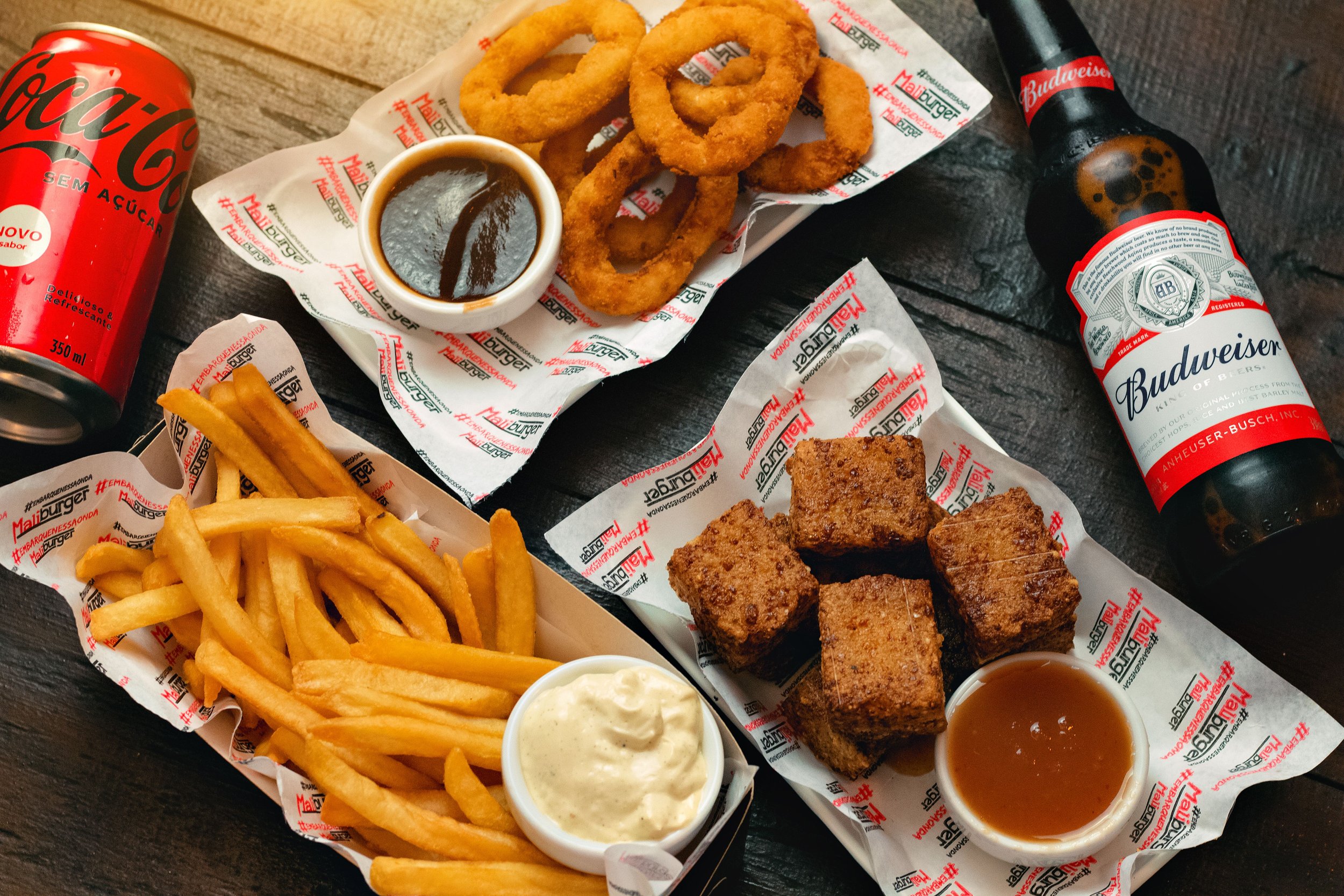
Take a walk through any grocery store and you'll find shelves lined with brightly colored packages, convenient snacks, frozen meals, and sugary drinks. These products are often marketed as convenient and affordable—but many of them fall into a category known as ultra-processed foods.
In fact, ultra-processed foods now make up more than half of the average American diet. While they may save time in the kitchen, they can come at a significant cost to our health.
Research has linked high consumption of ultra-processed foods to chronic inflammation, poor gut health, obesity, type 2 diabetes, heart disease, and even mental health concerns. These foods are loaded with refined sugars, unhealthy fats, artificial additives, and ingredients that our bodies were never designed to consume in large amounts.
I see so many people struggling with the same issues: fatigue, bloating, brain fog, cravings, and inflammation without even realizing that the culprit is the “food” they eat every day. If you can even call it food anymore.
In this article, we'll explore what ultra-processed foods are, why they're so harmful, how they affect the gut and the rest of the body, and simple steps you can take to reduce them and support your long-term health.
What Are Ultra-Processed Foods?
Many foods undergo some level of processing before they reach our plates. However, there is an important distinction between foods that have been minimally altered and foods that have been heavily manufactured. The greatest health concerns arise when foods are stripped of their natural nutrients and combined with refined sugars, industrial oils, artificial additives, and other ingredients designed to enhance flavor, texture, and shelf life.
Ultra-processed foods are industrially manufactured products that contain ingredients you would not typically use in a home kitchen. These often include artificial flavors, colors, preservatives, emulsifiers, sweeteners, and highly refined oils. They are designed to be convenient, highly palatable, and have a long shelf life.
Many ultra-processed foods contain little to no whole-food ingredients and are often packed with added sugars, sodium, trans fats, seed oils, and preservatives.
Common Examples of Ultra-Processed Foods
Some of the most common ultra-processed foods include:
Conventional breakfast cereals
Soda and energy drinks
Packaged cookies, cakes, and pastries
Candy and sweetened snacks
Fast food meals
Instant noodles
Frozen dinners
Chicken nuggets and other heavily processed meats
Flavored chips and crackers
Protein bars with long ingredient lists
A simple way to identify an ultra-processed food is to look at the ingredient label. If the product contains a long list of ingredients that you don't recognize or wouldn't normally keep in your kitchen, it's ultra-processed.
While these foods are “convenient” and widely available, regular consumption has been linked to an alarming number of health concerns. Understanding how they affect the body is the first step toward making informed choices about your health.
Why Ultra-Processed Foods Are So Harmful
Ultra-processed foods are designed to be convenient, affordable, and highly appealing to our taste buds. Unfortunately, they are also designed in ways that can work against the body's natural systems.
Unlike whole foods, which provide vitamins, minerals, fiber, antioxidants, and other nutrients that support health, ultra-processed foods are often calorie-dense yet nutritionally poor. Over time, frequent consumption can contribute to a wide range of health issues, many of which develop gradually and go unnoticed until symptoms begin to appear.
They Promote Chronic Inflammation
Inflammation is the body's natural response to injury or infection. In the short term, inflammation helps us heal. However, when inflammation becomes chronic, it can contribute to numerous health conditions, including heart disease, diabetes, autoimmune disorders, and cancers. As well as skin conditions such as acne, eczema, and psoriasis.
They Disrupt Gut Health
The gut plays a critical role in digestion, immune function, hormone regulation, and even mental health. A healthy gut relies on a diverse population of beneficial bacteria that thrive on fiber-rich, nutrient-dense foods.
Ultra-processed foods are often low in fiber and high in ingredients that may negatively affect the gut microbiome. These additives and emulsifiers have been shown to alter the balance of gut bacteria and may contribute to increased intestinal permeability, commonly referred to as "leaky gut".
When the gut barrier becomes compromised, unwanted substances can pass into the bloodstream, potentially triggering inflammation and immune responses throughout the body.
They Contribute to Blood Sugar Imbalances
Many ultra-processed foods are rapidly digested and absorbed, causing sharp spikes in blood sugar levels. These spikes are often followed by crashes that leave people feeling tired, irritable, and hungry soon after eating.
Over time, repeated blood sugar fluctuations can increase the risk of insulin resistance, weight gain, metabolic dysfunction, and type 2 diabetes.
They Increase Cravings and Overeating
One of the biggest challenges with ultra-processed foods is that they are specifically engineered to be difficult to stop eating. The combination of sugar, salt, unhealthy fats, and artificial flavorings activates reward centers in the brain, encouraging us to consume more than we need.
Because these foods are often low in fiber and protein, they don’t provide lasting satiety. As a result, people frequently find themselves reaching for more food shortly after eating, creating a cycle of cravings and overeating.
They Can Affect Mental Health
The connection between the gut and the brain is stronger than many people realize. Research continues to reveal links between diet quality and mental well-being.
A diet high in ultra-processed foods has been associated with increased rates of anxiety, depression, and mood disturbances. While many factors influence mental health, nutrition plays an important role in supporting both brain function and emotional well-being.
The reality is that ultra-processed foods don't just affect one area of health—they can influence nearly every system in the body. Understanding these effects helps explain why reducing their consumption can lead to improvements in energy, digestion, mood, and overall wellness.
Signs Ultra-Processed Foods May Be Affecting Your Health
The effects of ultra-processed foods aren't always obvious. While chronic diseases can take years to develop, many people experience subtle symptoms long before a diagnosis ever occurs. If ultra-processed foods make up a large portion of your diet, your body may be sending signals that something is out of balance.
Some common signs include:
Frequent fatigue and energy crashes throughout the day
Persistent cravings for sugar, salty snacks, or processed carbohydrates
Bloating, gas, or digestive discomfort after meals
Brain fog and difficulty concentrating
Mood swings, irritability, or increased anxiety
Trouble maintaining a healthy weight
Increased hunger even shortly after eating
Poor sleep quality or waking up feeling unrested
Frequent headaches
Skin issues such as acne, redness, or inflammation
Joint discomfort and other signs of chronic inflammation
While these symptoms can have many underlying causes, diet is often an overlooked factor. Reducing your intake of ultra-processed foods and paying attention to how your body responds can help you identify whether your diet may be contributing to these issues.
Paying attention to how you feel after meals and gradually replacing ultra-processed foods with more whole, nutrient-dense options can be a powerful step toward improving your energy, digestion, mood, and overall well-being.
What to Eat Instead
The goal isn't perfection or completely eliminating every processed food from your diet. Instead, focus on incorporating more whole, nutrient-dense foods that nourish your body and support long-term health.
Whole foods are rich in vitamins, minerals, fiber, antioxidants, and other beneficial compounds that help reduce inflammation, support gut health, balance blood sugar, and promote overall well-being.
Consider adding more of the following foods to your meals:
Fresh fruits and vegetables
Leafy greens
Healthy fats like avocados, olive oil, nuts, and seeds
Natural sources of saturated fat such as full-fat dairy, grass-fed butter, coconut, and unprocessed meats (many experts believe these have been unfairly demonized when consumed as part of a balanced diet)
Protein such as eggs, fish, chicken, turkey, and legumes
Whole grains including oats, quinoa, brown rice, and wild rice
Beans, lentils, and other fiber-rich legumes
Fermented foods such as yogurt, kefir, sauerkraut, kimchi, and kombucha
Herbs and spices like turmeric, ginger, garlic, cinnamon, and rosemary
When reaching for a snack, choose foods with simple ingredient lists and ingredients you recognize. A good rule of thumb is to prioritize foods that come from nature rather than foods that come from a factory.
Small changes can make a significant difference over time. Swapping a sugary breakfast cereal for an avocado toast, replacing soda with water, or choosing fresh fruit instead of packaged snacks are simple steps that can have a meaningful impact on your health.
Remember, every meal is an opportunity to nourish your body. The more you focus on adding wholesome foods to your plate, the less room there is for ultra-processed foods to take center stage.
Ultra-processed foods have become a normal part of modern life, but their impact on health is severely underestimated. While they offer convenience and taste, they can quietly influence how you feel on a daily basis—affecting your energy, digestion, mood, cravings, and long-term health.
The goal is not to live in restriction or fear around food. It’s about awareness and balance. When you begin to understand how these foods interact with your body, you naturally start making choices that support your well-being rather than work against it.
Even small shifts—like adding more whole foods, drinking more water, or preparing a few more meals at home—can create noticeable changes over time. Your body responds to consistency, not perfection.
Healing your relationship with food isn’t eliminating everything overnight, it’s slowly returning to foods that nourish you, stabilize you, and help you feel more like yourself again.
Enjoyed this post?
Join The Divine Collective🌺 — our weekly space for holistic wellness, mind-body balance, and nervous system support — delivered straight to your inbox!
The information on this website is for educational purposes only and is not a substitute for professional medical advice, diagnosis, or treatment.
