
How Saffron Supports the Brain, Mental Health, and the Body
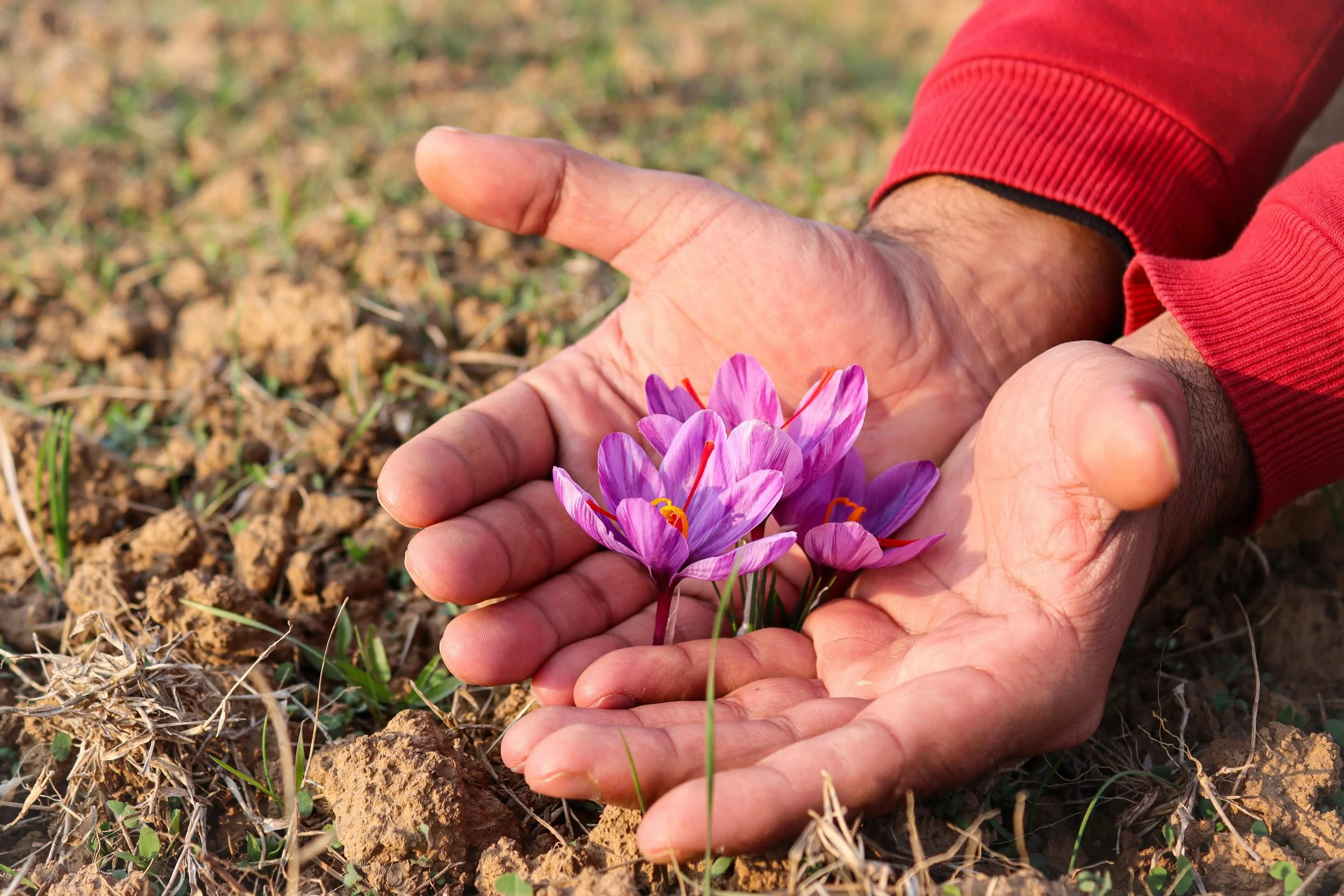
Saffron has been used for thousands of years in traditional medicine, valued not only as a spice but also for its effects on mood, energy, and overall wellbeing. Today, it’s gaining renewed attention in modern research for its influence on brain health and emotional balance.
Rich in unique bioactive compounds, saffron is being studied for how it may support cognitive function, regulate stress responses, and promote a more stable mood. What makes it especially interesting is its connection to both mental and physical health through the nervous system.
In this article, we’ll explore how saffron may support the brain, mood, and overall nervous system function, and why it’s becoming a focus in the world of natural mental wellness.
What Is Saffron?
Saffron is a spice derived from the dried stigmas of the Crocus sativus flower. Each flower produces only a few threads, which is why saffron is considered one of the most valuable and labor-intensive spices in the world.
Traditionally used in Persian, Ayurvedic, and Mediterranean medicine, saffron has long been associated with mood enhancement, vitality, and overall wellness. Today, it’s being studied more closely for its effects on brain function, emotional balance, and inflammation.
What makes saffron unique is its rich concentration of bioactive compounds that appear to influence both the brain and body in meaningful ways.
Key Active Compounds:
Crocin – a powerful antioxidant that may support brain protection and cellular health
Safranal – linked to mood regulation and nervous system calming effects
Crocetin – supports antioxidant activity and circulation
These compounds are what give saffron its deep color, distinct aroma, and potential therapeutic properties.
It’s also important to choose high-quality, pure saffron if using it in supplement form, as many products on the market are diluted or not fully authentic.
What to look for on the label:
“100% pure saffron” or Crocus sativus only listed in ingredients
Standardized extract (often showing a concentration like “2–3% safranal” or “crocin content”)
No fillers, dyes, or artificial additives
Third-party testing or quality certification (when available)
Clear country of origin (higher quality is often sourced from Iran, Spain, or Kashmir)
Dark glass bottle or light-protective packaging to preserve potency
If it’s a powder or capsule, avoid vague blends labeled as “proprietary herbal mix,” since saffron may only be a small fraction of the formula.
Saffron and Brain Health
Saffron is increasingly being studied for its potential effects on brain function and long-term cognitive health. Its antioxidant compounds may help protect brain cells from oxidative stress, which is a key factor in age-related cognitive decline.
One of the most discussed areas of research is saffron’s possible role in supporting memory, focus, and mental clarity. While it’s not a stimulant, it may help the brain function more efficiently by supporting healthy cellular activity and reducing inflammation that can interfere with cognition.
Saffron is also thought to influence key neurotransmitters in the brain, including serotonin, dopamine, and GABA. These chemical messengers play a major role in how we think, focus, and regulate emotions. When balanced, they support clearer thinking, better concentration, and improved mental stability.
Overall, saffron is being explored as a gentle but meaningful support for brain health, particularly in areas related to aging, cognitive performance, and mental clarity.
Saffron and Mental Health
Saffron has gained attention in mental health research for its potential to support mood balance and emotional wellbeing. Studies have even shown it may have antidepressant-like effects, likely due to its influence on serotonin and other key neurotransmitters involved in mood regulation.
What makes this especially interesting is that several clinical studies have found saffron to be as effective as certain conventional antidepressants — such as Prozac, Paxil, Zoloft, and Effexor — with participants experiencing similar improvements in mood compared to those taking standard SSRIs.
Beyond mood support, saffron may also contribute to emotional stability and stress resilience. By interacting with neurotransmitter systems, it may help create a more balanced emotional baseline, reducing feelings of overwhelm, irritability, or emotional reactivity.
It is also being explored for its role in stress and anxiety. Its calming effects on the nervous system may support the body in shifting out of chronic stress states, allowing for a more regulated and grounded response to daily pressures.
Over time, this kind of support may be especially relevant for emotional exhaustion or burnout, where both the mind and nervous system feel depleted — further supporting mental resilience.
Saffron and the Nervous System
Beyond mood and cognition, saffron is also being explored for its effects on the nervous system itself. Because the nervous system controls how we respond to stress, emotions, and recovery, its balance plays a major role in overall mental wellbeing.
Saffron may support the body’s ability to shift out of a chronic stress state and into a more regulated, calm state. This is often referred to as supporting the parasympathetic nervous system — the “rest and digest” mode — which is essential for recovery, emotional stability, and mental clarity.
Its antioxidant and anti-inflammatory properties may also help reduce the biological stress load on the body. When inflammation is high, the nervous system can become more reactive, leading to increased anxiety, fatigue, and emotional sensitivity. By helping to reduce oxidative stress, saffron may further support a more stable nervous system response.
Overall, this makes saffron an interesting area of research not just for mood, but for how the body physically processes and recovers from stress at a system level!
Saffron and Physical Wellbeing
While saffron is often discussed in the context of mental health, its benefits may also extend into broader physical wellness due to its antioxidant and anti-inflammatory properties.
One of the key areas of interest is inflammation. Chronic inflammation is linked to a wide range of health issues and can also indirectly affect mood, energy, and cognitive function. In the body and brain, elevated inflammation has been associated with symptoms like brain fog, low energy, irritability, and reduced focus. This creates a ripple effect that can influence both mental clarity and emotional stability.
Saffron’s active compounds may help reduce oxidative stress in the body, which plays a role in maintaining cellular health and supporting more balanced physiological function over time.
Because of its influence on inflammatory pathways, saffron is also being explored in relation to immune system regulation. In situations where the immune response is overactive — such as autoimmune-related inflammation— supporting a more balanced inflammatory state is essential in overall wellbeing.
Saffron has also been studied for its potential effects on cardiovascular health. By supporting healthy circulation and blood flow, it may indirectly benefit oxygen delivery throughout the body, including the brain.
In terms of energy and fatigue, some research suggests saffron may help improve overall vitality. This may be connected to its influence on inflammation, stress response, and cellular energy function, which together impact how energized or depleted a person feels.
There is also interest in saffron’s role in hormonal balance, particularly in relation to PMS symptoms and mood-related physical changes. Some findings suggest it may help support more stable emotional and physical responses during hormonal fluctuations.
Another area being explored is sexual health and libido. Some research suggests saffron may help support sexual desire and arousal, particularly in cases where libido has been affected by stress or mood imbalance. This is especially notable because certain conventional antidepressants (particularly SSRIs) are known to potentially reduce libido as a side effect. In contrast, saffron appears to have a more neutral or potentially supportive effect on sexual function.
Lastly, saffron contains antioxidants that may support eye health, particularly in protecting retinal cells from oxidative stress.
Altogether, these effects highlight saffron as a compound that interacts with multiple systems in the body connected to stress, inflammation, and overall physiological balance.
How to Use Saffron
Saffron can be incorporated into daily routines in a few different ways, depending on preference and lifestyle. Because of its potency, even small amounts are typically used.
Saffron Tea
One of the most traditional methods is saffron tea. A few strands are steeped in hot water, often on their own or combined with calming herbs like chamomile, rose, or cardamom. This creates a simple way to enjoy its aroma and active compounds.
Food & Cooking
Saffron is commonly used in cooking, especially in rice dishes, soups, and warm beverages like golden milk. Its flavor is subtle but distinctive, and it blends well with both sweet and savory recipes.
Supplements
Saffron is also available in capsule or extract form. These are often standardized to specific active compounds like crocin or safranal. This option is typically chosen for consistency and ease of use.
As I mentioned earlier, when using supplements, quality is especially important. Pure saffron extract is far more effective than diluted blends, so ingredient transparency and sourcing matter.
Consistency Matters
Saffron is not something that works instantly or dramatically. Its effects are generally described as subtle and cumulative, becoming more noticeable with consistent use over time rather than immediate changes.
Saffron stands out as one of the more intriguing natural compounds being explored in the intersection of brain health, mental wellness, and physical balance. What makes it especially unique is how it appears to interact with multiple systems at once — from neurotransmitters in the brain to inflammatory pathways throughout the body.
Rather than targeting a single outcome, saffron is being studied for its broader influence on how the body responds to stress, maintains emotional stability, and supports cognitive function over time. This multi-system connection is part of what has brought it renewed attention in modern wellness and neuroscience.
Overall, its value may lie in its ability to support balance — not in isolation, but across the systems that shape how we think, feel, and function day to day.
Enjoyed this post?
Join The Divine Collective🌺 — our weekly space for holistic wellness, mind-body balance, and nervous system support — delivered straight to your inbox!
The information on this website is for educational purposes only and is not a substitute for professional medical advice, diagnosis, or treatment.
